
Qabili Palaw: The Crown Jewel of Afghan Cuisine
A complete guide to Afghanistan's most beloved national dish
Introduction: The Heart of Afghan Hospitality
In Afghanistan, food is never merely sustenance; it is a language of love, respect, and honor. At the heart of this tradition stands Qabili Palaw, a dish so revered that it is considered the national dish of Afghanistan. But to call it simply "food" would be an injustice.
Qabili Palaw is the heartbeat of Afghan hospitality, the centerpiece of every celebration, and the signature of the warmth for which Afghans are known. For centuries, this dish has brought families together, marked important moments, and served as a bridge between generations and cultures.
Etymology and Origins
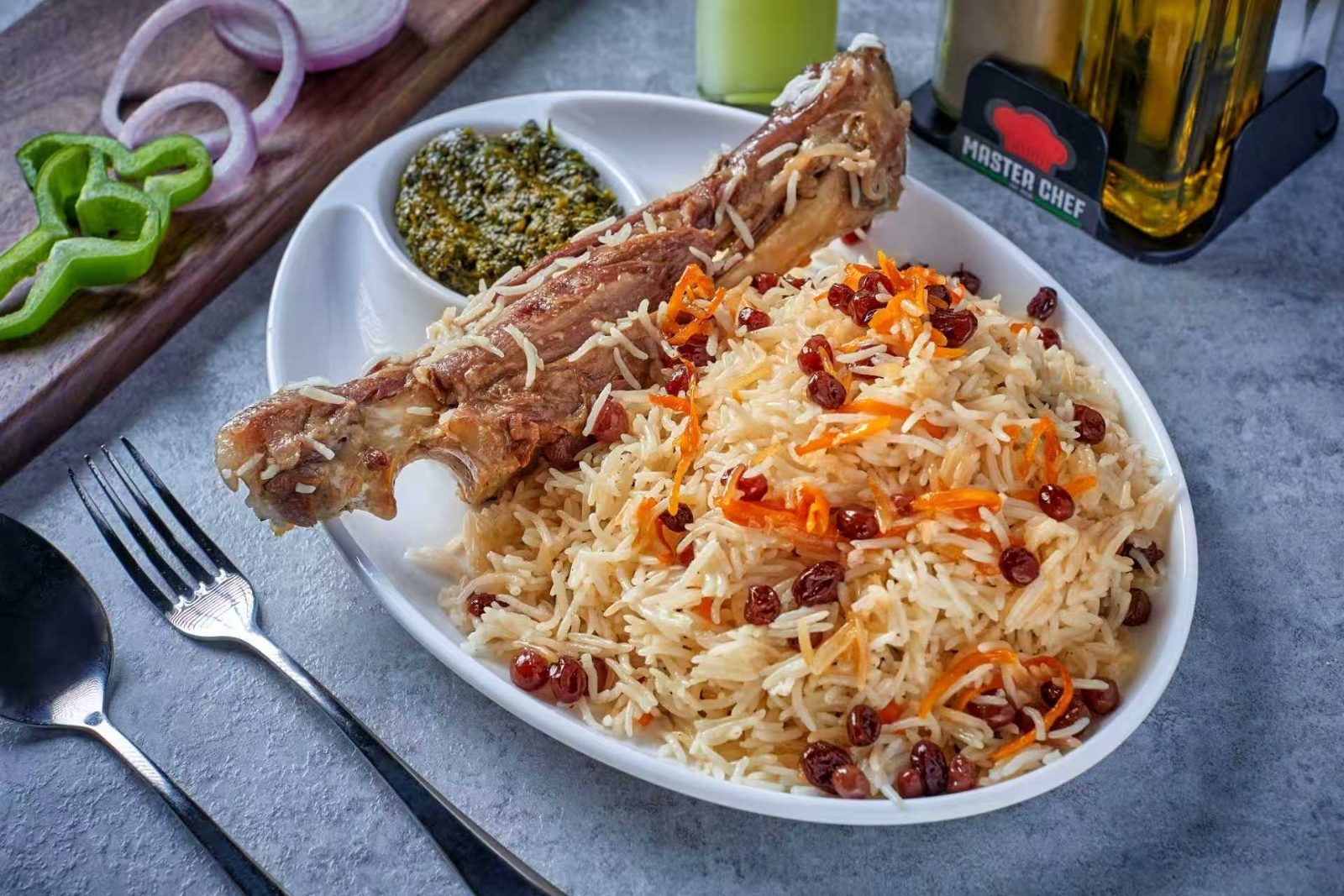
The name "Qabili" is derived from a word meaning "worthy" or "capable," referring to the skill required to balance the complex flavors. Some believe it simply refers to Kabul, the capital of Afghanistan. Regardless of the etymology, today Qabili Palaw is found in every corner of Afghanistan, from the snow-capped peaks of Badakhshan to the deserts of Kandahar.
The word "Palaw" comes from Persian and Central Asian origins, referring to rice cooked with meat and spices. This combination creates a uniquely Afghan name that reflects the country's position at the crossroads of ancient trade routes and its rich cultural heritage.
Regional Varieties: A Symphony of Flavors
While the classic Qabili Palaw is the most famous version, Afghanistan's diverse regions have created unique interpretations of this beloved dish. Each city and province leaves its own signature on this masterpiece.
1. Classic Kabuli Style (Central)
This is the version the world knows best. Its roots are in Kabul, and it focuses on the delicate balance between savory and sweet. The rice is long-grain and perfectly steamed. Four essential spices — cumin, cardamom, cloves, and cinnamon — give it a distinctive aroma.
Preparing this version is an art form. The meat is slowly cooked with onions and spices until tender. Carrots and raisins are separately fried in oil until caramelized. The rice is then layered with the meat mixture after being parboiled, and distinct flavors come together in perfect harmony.
2. Mazari Style (Northern)
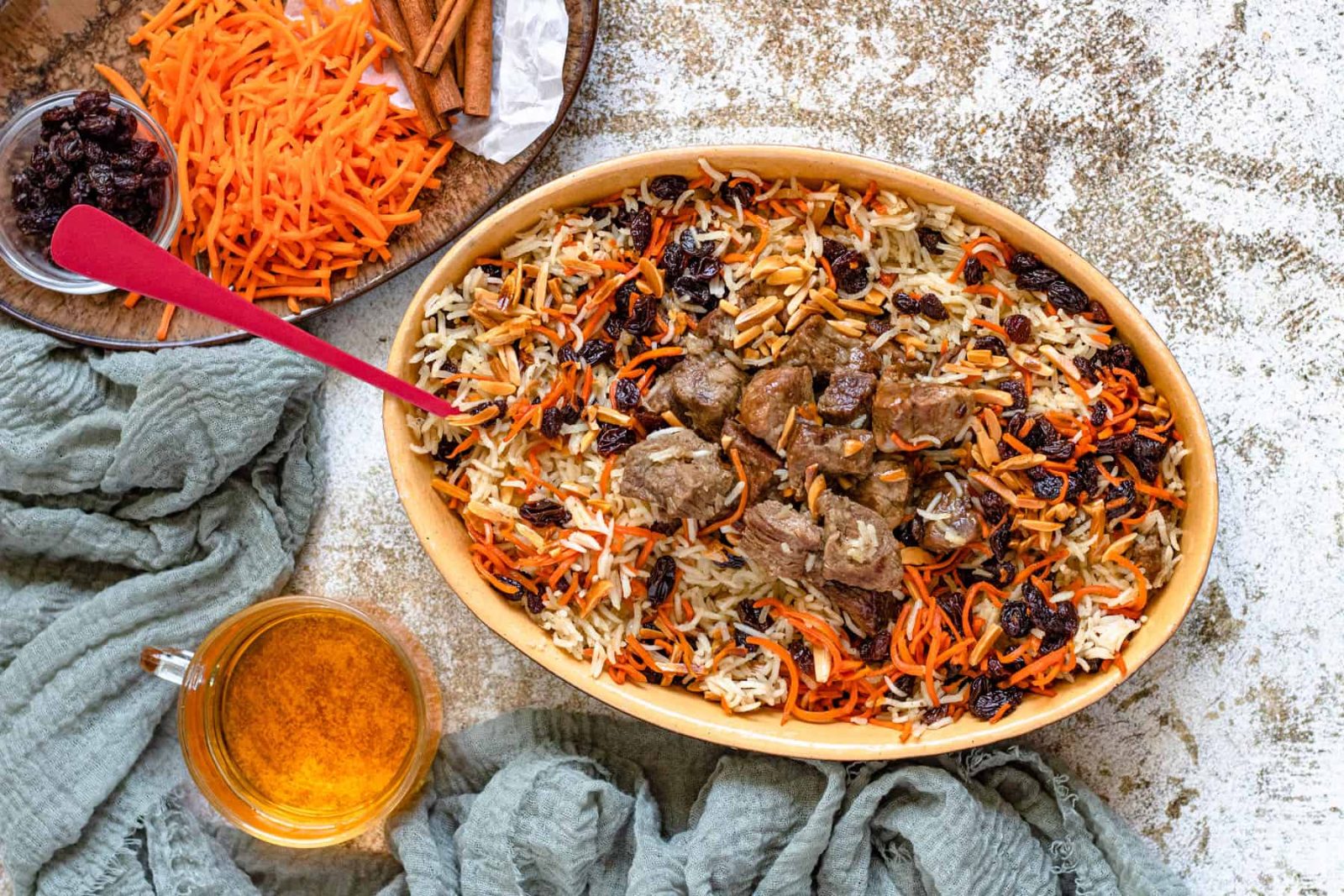
Travel to the north and Mazar-i-Sharif, and the Palaw transforms. The Mazari version is richer and more robust, often made with short-grain rice that absorbs more oil and flavor. This dish is heartier, often cooked with whole chickpeas and sometimes split peas.
This version reflects the generous and strong spirit of northern regions. It is often prepared in large quantities for community gatherings and celebrations. The use of full spices and the inclusion of chickpeas add texture and depth to the dish.
3. Herati Style (Western)
In Herat, bordering Iran, Palaw acquires a particular elegance and refinement. Heratis are known for meticulous presentation. Their version may include saffron, giving the rice a golden color and floral aroma. Pistachios and almonds are used generously here.
Herati Palaw is often considered the luxury version, with a delicate balance of flavors and beautiful visual presentation. This style reflects Herat's cultural heritage, famous for art, literature, and refined culinary traditions.
4. Uzbek Style (Northern Central Asia)
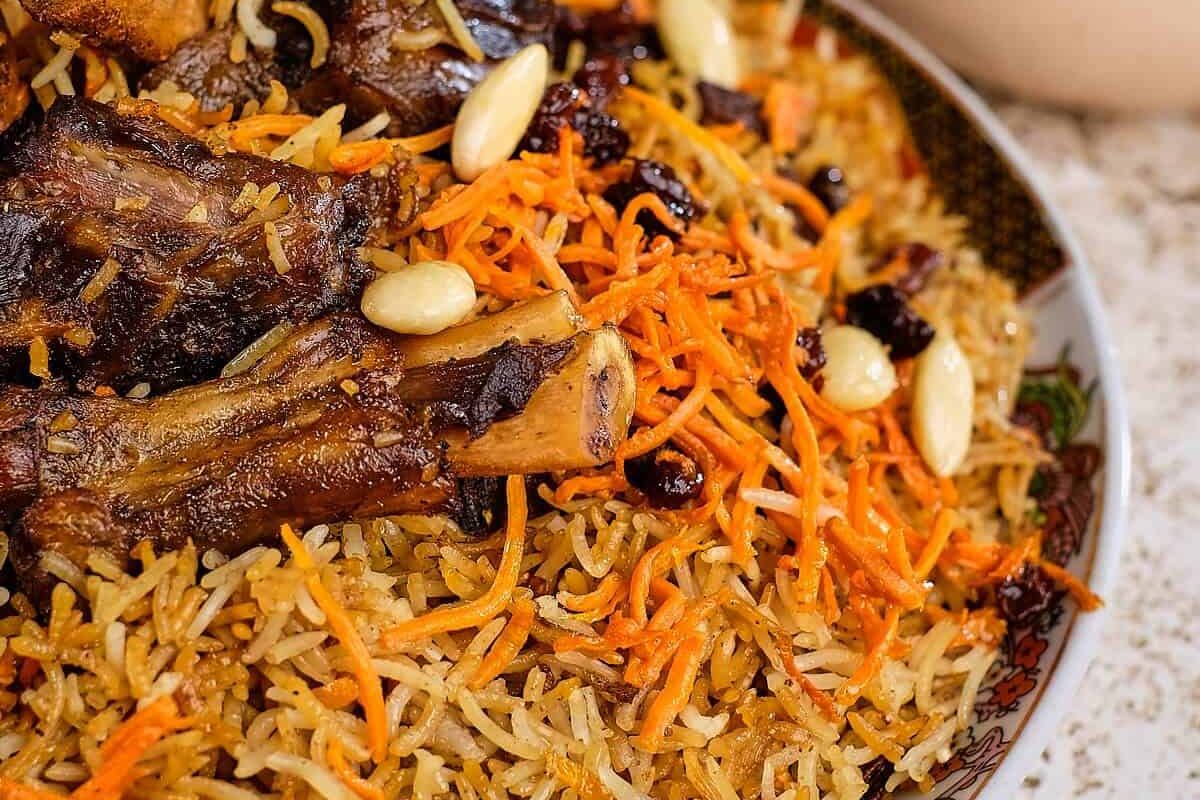
The original Uzbek Palaw is cooked in a traditional cast-iron pot. The key difference lies in the cooking method: the rice is cooked directly in the rich broth of meat and oil, rather than being parboiled and steamed separately.
This results in sticky, flavorful rice where each grain has absorbed the essence of meat and spices. The Uzbek method is considered by many to be the most authentic and traditional way to prepare Palaw.
Cultural Significance
In an Afghan home, the quality of your Qabili Palaw is a measure of your hospitality and respect for guests. It is the dish served to honor a distinguished guest, to celebrate a wedding, to mark a child's birth, or to commemorate important occasions.
There is a famous saying: "If you have not eaten Qabili Palaw, you have not truly seen Afghanistan."
The Art of Steaming
The secret to perfect Qabili Palaw lies in the steaming process. This technique requires patience, precision, and deep understanding of heat control. The pot is sealed, often wrapped with cloth, and left over gentle heat. This moment is sacred in the kitchen; it is when flavors come together.
Opening the pot lid is a dramatic and anticipated moment — a cloud of fragrant steam rises, and the room fills with the aroma of cardamom, cumin, and spices.
The Power of Unity
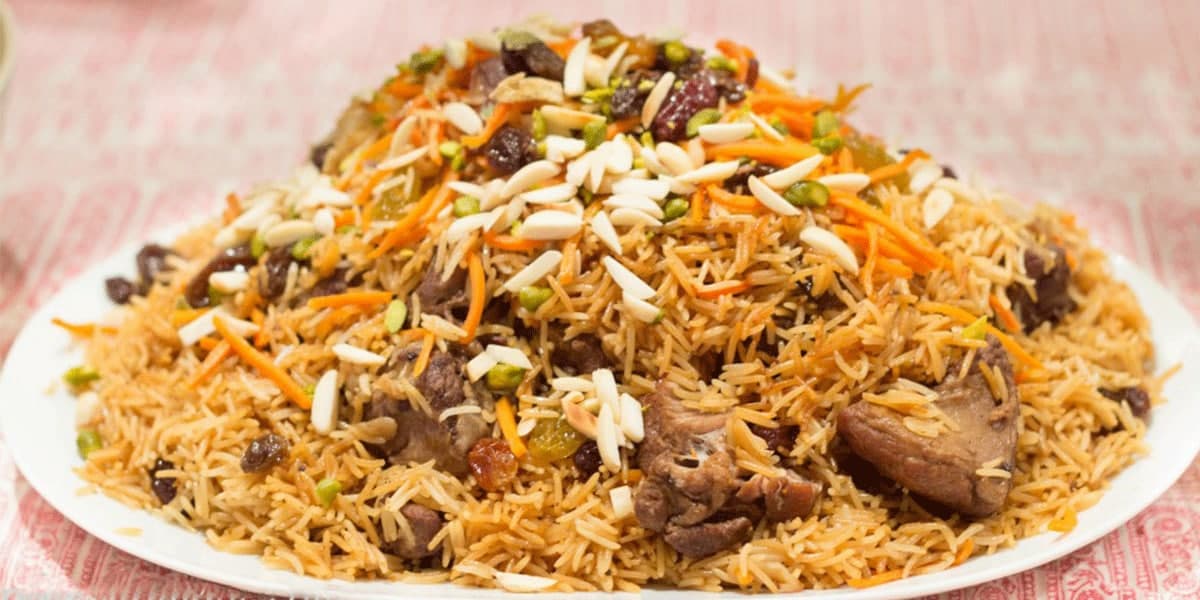
Despite regional differences and diversity, Qabili Palaw brings all Afghans together. Whether you are Pashtun, Tajik, Hazara, Uzbek, or Turkmen, sitting around a large platter of Qabili Palaw on a traditional mat is a shared experience of community and belonging.
The communal nature of eating Qabili Palaw reflects fundamental Afghan values of hospitality, generosity, and unity. In a country marked by many divisions and challenges, Qabili Palaw is a powerful symbol of what brings Afghans together.
The Diaspora Connection
For Afghans living in the United States, Europe, Australia, Canada, and beyond, Qabili Palaw is more than a dish; it is a lifeline to home, a connection to heritage, and a way to keep culture alive.
In kitchens around the world, Afghan families gather to prepare this beloved dish, passing recipes and techniques from one generation to the next. The aroma of Qabili Palaw cooking is a powerful trigger for memory and emotion.
For many Afghan children born abroad, learning to cook Qabili Palaw is a rite of passage — a connection to heritage and a show of respect for their parents' sacrifices.
Nutritional and Economic Value
From a nutritional perspective, Qabili Palaw is a balanced and complete meal. The combination of rice (carbohydrates), meat (protein), carrots and raisins (vitamins and minerals), and oil (healthy fats) creates a nutritious and satisfying dish.
From an economic perspective, Qabili Palaw is a dish that can feed 8 to 12 people from relatively modest ingredients, making it an economical choice for large family gatherings, weddings, and community celebrations.
The Traditional Cooking Vessel
The traditional cast-iron pot is essential for preparing authentic Qabili Palaw. This heavy vessel distributes heat evenly and is exceptionally durable, making it possible to achieve the perfect steaming process.
The design has remained virtually unchanged for centuries, testament to its effectiveness and the wisdom of traditional Afghan and Central Asian cooking methods. At Rayhana Kitchen, we have modernized this traditional vessel while preserving its fundamental properties.
Conclusion
Qabili Palaw is more than a dish. It is a living tradition, a cultural artifact, and a powerful symbol of Afghan identity, resilience, and pride. In every grain of rice, every piece of meat, every caramelized carrot, and every raisin, there is a story — stories of ancient trade routes, family gatherings, celebrations and sorrows, love and respect.
As the world becomes increasingly global and homogenized, dishes like Qabili Palaw serve as anchors to our heritage. They remind us who we are, where we come from, and what we value.
When you cook Qabili Palaw, you are not simply preparing a meal; you are participating in a tradition spanning centuries, keeping alive the spirit of ancient trade routes, and honoring the legacy of your ancestors.
Loading...